Your Essential Guide for a Worry-Free Holiday
With its majestic ancient wonders and world-class Red Sea resorts, Egypt remains a bucket-list destination for British travellers. In fact, approximately one million people from the UK visit Egypt every single year.
However, with shifting global events, it is entirely natural that safety is at the top of your mind before booking your flights.
To help you cut through the headlines, we have broken down the latest safety realities, local advice, and expert tips to ensure your Egyptian adventure is both spectacular and secure.
The Big Picture: What the FCDO Says
The Foreign, Commonwealth & Development Office (FCDO) provides continuously updated travel advice for British nationals. The key takeaway for standard holidaymakers is simple: the vast majority of tourist visits to Egypt are entirely trouble-free.
Where is it Safe to Travel?
The FCDO considers Egypt’s primary tourist corridors perfectly fine to visit, and does not advise against travel to these areas:
- Cairo and Giza (including the Pyramids)
- Luxor and the Valley of the Kings
- Aswan and Abu Simbel
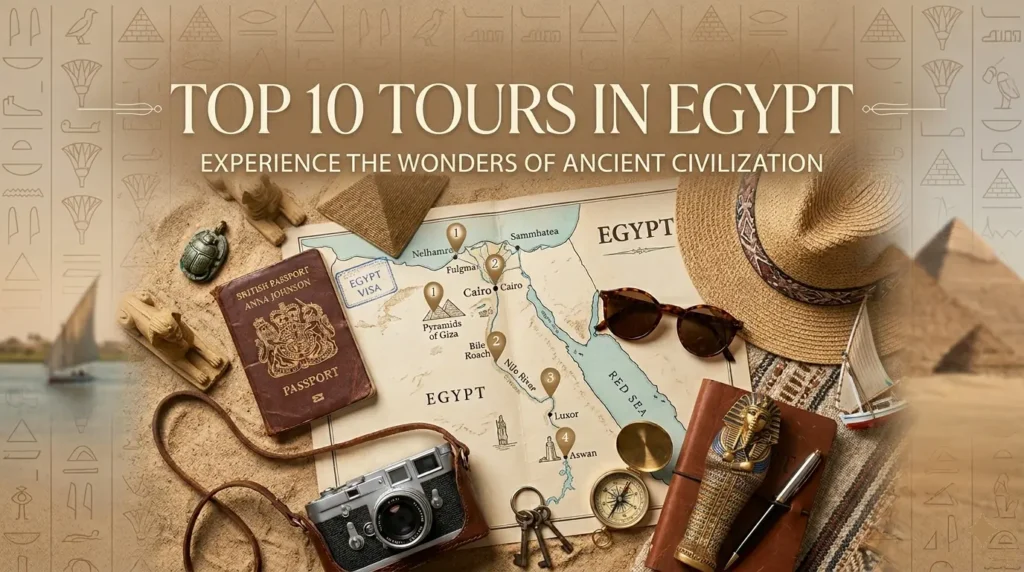
- Red Sea Beach Resorts (including Sharm El Sheikh, Hurghada, and Marsa Alam)
Where is Travel Advised Against?
Like many countries, Egypt has specific border and remote regions where the FCDO advises against all or all-but-essential travel. These are areas well away from standard tourist tracks, including the North Sinai Governorate and within 20km of the Libyan border.
Top Tip: Always check the live FCDO Egypt Travel Advice page before you fly to ensure you have the most up-to-date regional maps.
On-the-Ground Security in Egypt
If you haven’t been to Egypt before, the sheer amount of visible security might surprise you—but it is there for your peace of mind.
- The Tourist Police: Egypt has a dedicated branch of the police specifically tasked with protecting overseas visitors and heritage sites.
- Visible Checkpoints: You will encounter baggage scanners, metal detectors, and vehicle checks at hotel entrances, museum gates, and airport boundaries. It may add a few minutes to your day, but it ensures a highly controlled environment.
- Resort Zones: Beach destinations like Sharm El Sheikh feature comprehensive perimeter security networks to keep the resort towns isolated from broader regional issues.
Crime vs. Street Hustle: What to Expect
The general violent crime rate in Egypt is exceptionally low, and it is statistically much safer than many major UK cities when it comes to serious crime. However, petty crime and overzealous selling do exist.
Touts and Scammers
At the Pyramids or outside Luxor temples, you will encounter persistent vendors, camel drivers, and taxi drivers.
- How to handle it: They are not dangerous, just trying to make a living. A polite but firm “La, Shukran” (No, thank you) combined with avoiding eye contact and continuing to walk is highly effective.
- Pre-book where possible: Booking your tours and transfers through reputable operators in advance keeps you away from unvetted street touts.
Pickpocketing
While rare, opportunistic theft can happen in crowded markets like Cairo’s Khan el-Khalili. Keep your cross-body bag zipped, don’t flash expensive smartphones, and leave your main cash and passport in your hotel safe.
Tailored Advice for Specific Travellers
Solo Female Travellers
Egypt is highly accessible for solo women, but it does require a bit of extra awareness due to occasional unwanted attention or staring.
- Dress Culturally: While swimwear and shorts are perfectly fine inside Red Sea resorts, dressing conservatively in cities like Cairo (covering shoulders and knees) goes a long way in preventing hassle.
- Getting Around: Use reputable, trackable ride-hailing apps like Uber in Cairo rather than hailing random taxis off the street. If you must use a taxi alone, sit in the back and share your live location with a friend. Read the full article
Health and the “Pharaoh’s Tummy”
The biggest disruption to an Egyptian holiday isn’t security—it’s the local tap water.
- Stick to bottled water: Use it for drinking and brushing your teeth.
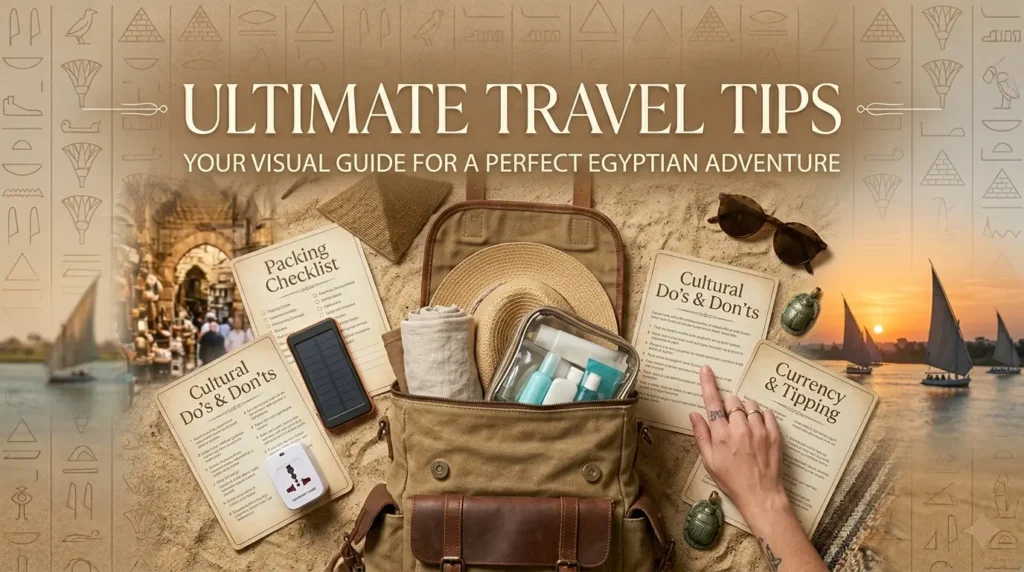
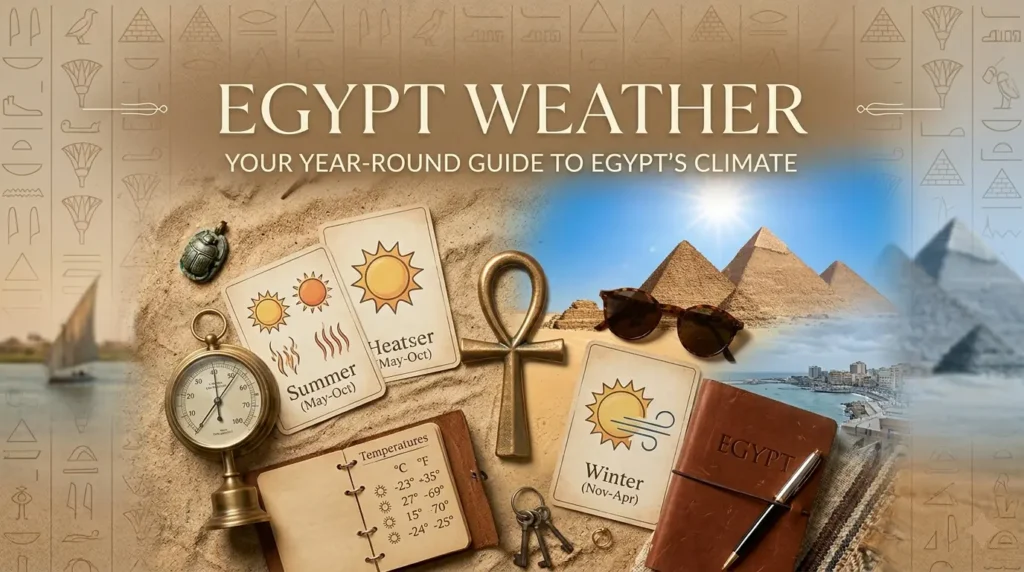
- Mind the heat: The Egyptian sun is intense. Pack high-factor sun cream, a wide-brimmed hat, and plenty of rehydration sachets.
Summary Checklist for a Safe British Holiday
- [ ] Get Comprehensive Insurance: Ensure your travel insurance policy covers Egypt and any specific activities you plan to do, like scuba diving in the Red Sea.
- [ ] Keep Emergency Contacts: Save the number for the Tourist Police (126) and the British Embassy Cairo (+20 (0)2 2791 6000) into your mobile phone.
- [ ] Respect Local Laws: Avoid taking photographs of military personnel, police checkpoints, or government buildings, as this is strictly illegal.
- [ ] Stay Informed: Sign up for the FCDO’s automatic email alerts for Egypt so you’ll instantly know if travel advice changes while you’re away. For more info on the essentials read the Egypt Travel Tips page
The Bottom Line
By staying vigilant, booking through trusted providers, and respecting local laws, you can look forward to a thoroughly safe, incredibly welcoming, and unforgettable Egyptian holiday.